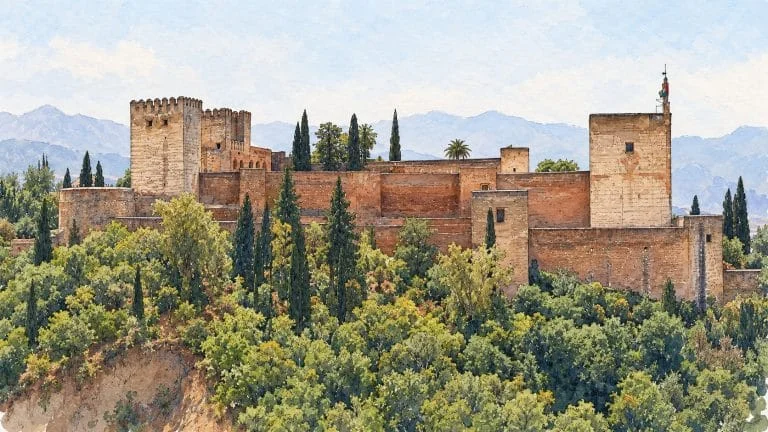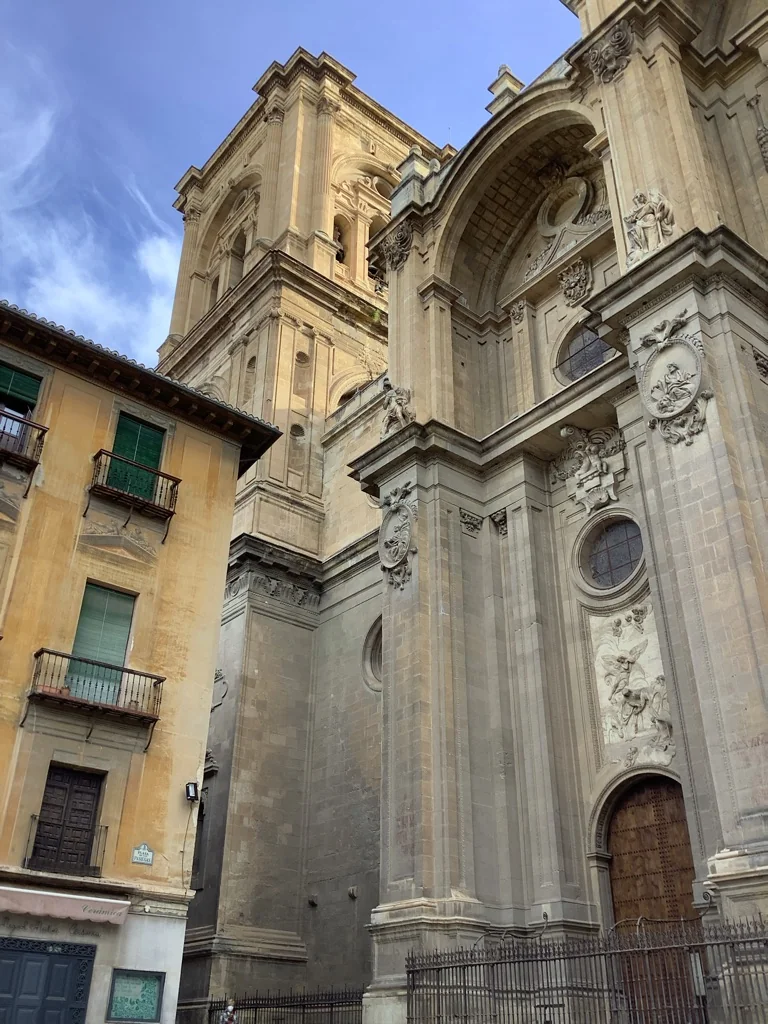
Granada Cathedral stands as a landmark of profound cultural and artistic significance in the province of Granada (signposted on regional road signs and GPS maps as Catedral de Granada). Before heading out to explore this historic destination, make sure to check the official visiting hours for 2026, compare ticket prices and combined passes, and locate recommended parking facilities. Visitors can admire magnificent Renaissance and Baroque details, centuries of local tradition, and convenient walking connections to surrounding heritage sites. Enjoy an enriching exploration filled with memorable cultural highlights.
📌 Essential Visitor Factsheet: Granada Cathedral (2026)
- Official Monument: Santa Iglesia Catedral Metropolitana de la Encarnación de Granada (Official BIC Heritage Record at IAPH).
- Location: Calle Gran Vía de Colón, 5 / Plaza de las Pasiegas (Pedestrian historic center, 18001 Granada).
- Standard Visiting Hours: Monday to Saturday from 10:00 AM to 6:15 PM (doors close at 6:45 PM) and Sundays from 3:00 PM to 6:15 PM (mornings reserved exclusively for Holy Mass and liturgical worship).
- Official Ticket Rates: General Admission €10.00 (including Kerygma Jubilee exhibition and smartphone audioguide); Reduced €8.00 (students up to 25 and disabled visitors >33%); Granada province residents €5.00; Children under 12 Free.
- Free Admission Day (BIC): Wednesdays from 3:00 PM to 5:45 PM with mandatory online advance reservation via ticketsgranadacristiana.com (strictly limited weekly capacity).
- Crucial Distinction: The adjoining Royal Chapel of Granada (tombs of the Catholic Monarchs) is a separate historic building with independent entrance on Calle Oficios and separate ticketing.
Historic Curiosities, Architecture & Secrets of Granada Cathedral
Many travelers make the mistake of merely snapping a photo of the dramatic Baroque facade from Plaza de las Pasiegas or assuming that Granada’s artistic legacy begins and ends on the Alhambra hill. Crossing the threshold into the Cathedral of the Incarnation, however, presents one of the most electrifying spatial and sensory contrasts in European architecture.
Picture yourself strolling through Calle Oficios or navigating the labyrinthine alleys of the Alcaicería —the former Nasrid silk bazaar— where stone overhangs filter the daylight and the sound of footsteps is hushed. Passing through the heavy oak doors of the cathedral triggers an astonishing explosion of light: the volume opens dramatically into five monumental aisles of pristine white stone, framed by classical Corinthian piers that draw the eye upward toward thirty meters of vaulted height in the nave and forty-five meters inside the Capilla Mayor rotunda.
Unlike the somber darkness of northern Gothic cathedrals, this temple was forged in the optimistic dawn of the Spanish Renaissance and Christian humanism. Siloé devised a revolutionary clerestory lighting scheme: Mediterranean daylight streams through two tiers of arched windows and 16th-century Flemish stained glass, reflecting off smooth ashlar masonry and washing gilded entablatures and Baroque twin organs in radiant warmth. As highlighted by the Andalusia Official Tourism Portal and provincial guides at Turgranada, this cathedral stands as the supreme monumental symbol of modern Spain after the 1492 Reconquest.
🔍 Fascinating Curiosities and Secrets Few Visitors Know
Five centuries of history harbor captivating rivalries, bold structural gambles, and thwarted imperial dreams:
1. The Failed Imperial Pantheon of Charles V
Diego de Siloé designed the soaring circular rotunda of the Capilla Mayor in 1528 with an imperial destiny: serving as the grand mausoleum for Holy Roman Emperor Charles V and the Habsburg dynasty, inspired by Rome’s Pantheon and Jerusalem’s Holy Sepulchre. However, his son King Philip II centralized the royal dynasty in Castile and transferred the imperial remains to the newly built Monastery of El Escorial, leaving Granada’s monumental rotunda as a radiant pantheon without an emperor.
Practical Local Tips & Key Visit Advice for Granada Cathedral
Most generic travel guides in Google’s top results simply repeat outdated seasonal schedules, overlook municipal LEZ traffic restrictions, or promote overpriced ticket resellers. Below is our field-verified logistics guide for 2026 based on official regulations and local on-the-ground reality:
- Actual and seasonal hours 2026: On Sunday mornings the Cathedral is completely closed to tourism and only open to the faithful attending the Eucharist. Sightseeing begins at 3:00 p.m.
- Precios exactos y accesos gratuitos: La entrada incluye audioguía oficial mediante descarga en smartphone. Si adquieres la tarjeta turística municipal Granada Card, la entrada a la Catedral está 100% incluida.
- Aparcamiento sin multas y cámaras ZBE: El entorno catedralicio es zona peatonal vigilada por cámaras de tráfico. Accede al Parking San Agustín entrando por la ruta autorizada de San Jerónimo / Cárcel Baja.
- Líneas de autobús urbano: Las líneas 4, 8, 11, 21 y 33 de Transportes Rober paran en Gran Vía – Catedral a 30 metros de la entrada.
- Physical effort and recommendations: The temple is more than 115 meters long and has gigantic Corinthian columns; It is recommended to spend at least 60 minutes with an audio guide.
- Where to have tapas in the area: Enjoy a beer with tapa in the Plaza de la Romanilla under the shade of the orange trees with views of the cathedral tower.
- 3 errores de novato a evitar: 1) Pensar que la torre está abierta para subir (solo está concluido el primer cuerpo de 57 metros de los tres proyectados y no es visitable turísticamente). 2) Confundir la puerta de la Catedral con la de la Capilla Real (están en esquinas opuestas de la manzana). 3) Visitarla sin audioguía, pasando por alto las colosales pinturas de Alonso Cano y la Capilla Mayor.
2. The Truncated 81-Meter Tower and Darro River Subsoil
The master Renaissance blueprint envisioned twin 81-meter bell towers flanking the main facade. Only the northern tower was ever raised. In 1590, while constructing the fourth tier, the cathedral chapter ordered work halted and dismantled the top level, capping it at three tiers (57 meters). The critical cause was severe structural settlement and cracking caused by subterranean water infiltration from Darro River irrigation channels combined with frequent earthquakes along the Granada fault line.
3. Alonso Cano’s Furious Exit and the Sacristy Immaculate Conception (1656)
In 1656, Granada’s mercurial artistic genius Alonso Cano presented the Cathedral Chapter with a carved polychrome cedar sculpture of the Immaculate Conception measuring merely 49 centimeters in height. Several canons protested indignantly, deeming it «too diminutive and unworthy of the choir lectern». Deeply insulted, Cano stormed out of the meeting, slammed the door, and swore never to carve another piece for them. Today, this delicate, serene masterpiece is celebrated worldwide as a pinnacle of Spanish Baroque sculpture, safeguarded under high security in the Main Sacristy.
4. The Facade as a Roman Triumphal Arch (1667)
Just months before his death in 1667, Alonso Cano revolutionized Spanish architecture by drafting the main facade overlooking Plaza de las Pasiegas. Rejecting traditional flat Renaissance planes, Cano designed a monumental tripartite screen featuring three colossal recessed triumphal arches framed by Ionic and Corinthian pilasters. This grand design creates dramatic chiaroscuro contrasts and serves as an awe-inspiring open-air stone retable facing the city.
5. The Dramatic Shift from Gothic to Renaissance in 1528
In 1523, master mason Enrique Egas laid the cornerstone of a strictly Gothic five-aisled cathedral modeled after Toledo Cathedral. However, by 1528 the Chapter grew dissatisfied with medieval forms, dismissed Egas, and appointed Diego de Siloé. Fresh from Italy, Siloé accomplished the extraordinary feat of maintaining the existing Gothic ground plan while raising a soaring Renaissance structure «a lo romano» (in the Roman classical style), inventing an entirely new classical support system.
6. Michelangelo’s Broken Nose in Pietro Torrigiano’s Saint Jerome
In the right-hand ambulatory chapel stands the breathtaking sculpture of Saint Jerome Penitent by Pietro Torrigiano, the famous Florentine Renaissance sculptor who fled Italy after breaking the nasal septum of the young Michelangelo Buonarroti with a violent punch during a fistfight in Florence’s Brancacci Chapel. Torrigiano’s journey brought him to Andalusia, leaving sculptures of raw anatomical intensity that revolutionized Spanish Renaissance art.
Practical 2026 Visitor Planning for Granada Cathedral: Opening Hours, Tickets & Essential Tips
To ensure you experience each artistic treasure within this magnificent temple, follow this curated route leading from the exterior square to the spiritual sanctum:
1. Alonso Cano’s Grand Facade in Plaza de las Pasiegas
Begin your visit in the bustling center of Plaza de las Pasiegas. The monumental facade rising before you is the magnum opus of Granada-born master Alonso Cano, designed in 1667 and brought to completion by José de Granados and Melchor de Aguirre. Cano envisioned a Roman triumphal arch scheme comprising three gigantic recessed arches supported by colossal Ionic and Corinthian pilasters. Note the carved white marble medallions above the central portals portraying the Annunciation and Assumption of the Virgin Mary, alongside classical statues of Saint Peter and Saint Paul, granting the facade a stately, rhythmic Baroque presence without excessive ornamentation.
2. Diego de Siloé’s Puerta del Perdón and Puerta del Ecce Homo
Walk along the cathedral perimeter onto Calle Cárcel Baja to inspect one of the crowning achievements of the Spanish Renaissance: the Puerta del Perdón (Door of Pardon), carved by Diego de Siloé beginning in 1537. This portal features classical fluted columns, allegorical stone reliefs of Justice and Faith, and the imperial coat of arms of Emperor Charles V guarded by the double-headed Habsburg eagle. Just steps away, look for the elegant Puerta de San Jerónimo and the classical niche of the Puerta del Ecce Homo, displaying Siloé’s mastery of refined Florentine carving.
3. The Five Aisles and Corinthian Composite Piers on High Pedestals
Passing through the visitors’ portal, the vista along the five lofty aisles is breathtaking. Here you witness Diego de Siloé’s structural genius: constrained by the pre-existing Gothic foundations laid by Enrique Egas, Siloé devised an ingenious classical support system. Each primary pier is formed by four fluted Corinthian columns raised upon high pedestal bases, crowned by a classical entablature from which graceful, ribbed starry vaults spring with extraordinary lightness. This innovative structural concept directly influenced the cathedrals of Jaén, Málaga, and the viceregal cathedrals of Cuzco and Guadalajara.
4. The Rotunda of the Capilla Mayor: Royal Orants, Adam & Eve, and 22 Flemish Windows
Proceed down the central aisle toward the ambulatory to stand beneath the extraordinary circular Capilla Mayor, soaring forty-five meters overhead as a standalone rotunda within the cathedral. In the lower tier stand life-sized polychrome wooden statues of the Catholic Monarchs, sculpted in 1675 by Pedro de Mena, kneeling in eternal prayer. Above them, in the second arcaded tier, hang seven grand canvas masterpieces by Alonso Cano detailing the Life of the Virgin. Flanking the upper niches are the strikingly expressive carved busts of Adam and Eve by Cano. Ringing the upper drum are 22 vibrant Flemish Renaissance stained-glass windows crafted in Antwerp by masters Juan del Campo and Teodoro de Holanda, casting ruby, cobalt, and golden refractions across the altar.
5. Leonardo Fernández Dávila’s Twin Monumental Baroque Organs of 1744
Flanking the choir in the transept stand two magnificent gilded giants: the monumental twin Baroque organs built in 1744 by master organ builder Leonardo Fernández Dávila. Lavishly carved with trumpeting cherubs, intricate rocaille scrollwork, and horizontal battle trumpets («en chamada»), each instrument houses over three thousand acoustic pipes. Recognized among the most important pipe organs in the Iberian Peninsula, they continue to accompany high liturgical celebrations under the direction of the Archdiocese of Granada.
6. The Retrochoir, Side Chapels, and Sacristy with Cano’s Immaculate Conception
Follow the ambulatory curve to discover historic side chapels commissioned by noble families and guild brotherhoods:
- The Neoclassical Retrochoir: Designed in rare colored marbles and jaspers by royal architect Ventura Rodríguez in the late 18th century.
- Chapel of Our Lady of Antigua: Enshrining a sacred 15th-century Gothic panel painting that accompanied the Catholic Monarchs during the encampment at Santa Fe during the siege of Granada.
- Chapel of Saint Michael: Featuring polished marbles from the Lanjarón quarries and expressive Baroque sculpture.
- The Main Sacristy: Treasury chamber housing Alonso Cano’s celebrated Immaculate Conception (1656) —a 49-centimeter wood carving of unmatched psychological serenity— alongside 17th-century Spanish-Filipino ivory crucifixes, chalices, and episcopal vestments.
The Sensory Visitor Experience & Must-See Highlights at Granada Cathedral
To ensure an effortless visit without unexpected queues, here is the verified schedule and official pricing managed through Tickets Granada Cristiana:
| Ticket Category | Official Price | Eligibility & Requirements | Audioguide |
|---|---|---|---|
| General Admission (with Kerygma) | €10.00 | Adults. Includes full cathedral access and the Kerygma exhibition. | Included (Official mobile app) |
| Reduced Admission | €8.00 | Students up to 25 with valid card; disabled visitors (>33%). | Included |
| Granada Province Residents | €5.00 | Born or registered residents. Available strictly at the box office with ID. | Included |
| Granada University Students | €3.00 | Enrolled students with valid campus ID at the box office. | Included |
| Children under 12 | Free (€0.00) | Accompanied by adults on family visits (excludes school groups). | Free mobile download |
| Free BIC Admission (Wednesdays) | Free (€0.00) | Wednesdays 3:00 PM – 5:45 PM. Mandatory online advance booking required. | Accessible via web app |
To secure your tickets in advance and bypass box office queues, visit the official Granada Cathedral online ticket reservation platform. The weekly free visiting window is mandated by the Official Gazette of the Andalusian Regional Government (BOJA) for monuments cataloged as Sites of Cultural Interest (BIC).
Public Transportation and Nearest Parking Facilities
Granada Cathedral is located entirely within the pedestrian historic core. If utilizing local transit managed by the Granada City Council, the most practical options include:
- Historic Center Microbuses: Lines C31 (Albaicín), C32 (Alhambra–Albaicín), and C34 (Sacromonte) stop at Plaza Isabel la Católica or Gran Vía / Cathedral, two minutes on foot.
- Gran Vía City Buses: Main trunk lines 4, 8, 11, 21, and 33 stop directly at Gran Vía 14 – Catedral.
- Metropolitan Bus Network: Coordinated by the Granada Metropolitan Transport Consortium, connecting the city center with surrounding towns and the regional coach station.
- Car Parking Options: The surrounding district is an enforced Low Emission Zone (ZBE) restricted to authorized vehicles. Visitors arriving by car should park at authorized underground garages: Parking San Agustín (closest facility, on Calle Cárcel Baja beneath the San Agustín Market), Parking Severo Ochoa, or Parking Triunfo at the northern end of Gran Vía.
Structuring Your Route & Step-by-Step Walking Tour at Granada Cathedral
To experience Granada’s Renaissance and Islamic crossroads seamlessly, follow this curated 3- to 4-hour walking circuit:
- Start at Plaza de las Pasiegas (30 min): Admire Alonso Cano’s triumphal facade over morning coffee on an open-air terrace while taking in the massive truncated bell tower.
- Inside Tour of Granada Cathedral (60–75 min): Explore the five aisles, circular Capilla Mayor, Baroque organs, and Main Sacristy using the audioguide.
- Lonja de Mercaderes & Calle Oficios (15 min): Exit via the Puerta del Perdón onto cobblestoned Calle Oficios, admiring the late-Gothic and Plateresque exterior of the Royal Chapel.
- The Royal Chapel of Granada (45–60 min): Enter the royal mausoleum to marvel at the Carrara marble tombs of Isabella of Castile and Ferdinand of Aragon, the masterwork wrought-iron grille by Bartolomé de Jaén, and descend into the crypt to see their lead coffins.
- The Madraza Palace (30 min): Standing opposite the Royal Chapel is Granada’s ancient Islamic university, founded in 1349 by Nasrid Sultan Yusuf I. Enter the conserved Islamic oratory to view its magnificent horseshoe arch and stucco muqarnas.
- The Alcaicería Silk Bazaar (20 min): Wander the narrow covered passageways of the restored silk market, browsing local handicrafts such as wooden taracea marquetry, green-and-blue Fajalauza pottery, and embossed leather goods.
- Relaxation at Plaza Bib-Rambla (30 min): Conclude your walking route in leafy Plaza Bib-Rambla by the Neptune Fountain, treating yourself to traditional Spanish hot chocolate and churros at the historic Gran Café Bib-Rambla.
Walking Itinerary, Physical Accessibility & Elevation Advice at Granada Cathedral
How long does a visit to Granada Cathedral take and what is the best time to visit?
A relaxed visit to Granada Cathedral to explore the five aisles, the circular Main Chapel, the twin Baroque organs, and the Sacristy with the official mobile audioguide takes about 60 to 75 minutes. The best time to visit is right at opening time (10:00 AM) to beat the tour groups, or around mid-morning (11:30 AM), when sunlight strikes the 22 Renaissance Flemish stained-glass windows, illuminating the rotunda in breathtaking amber and gold.
Can you visit the Royal Chapel with the same Granada Cathedral ticket?
No. Granada Cathedral and the neighboring Royal Chapel of Granada are two distinct monuments with completely separate management, ticket offices, entrances, and fees. To view the marble tombs of Queen Isabella and King Ferdinand inside the Royal Chapel, you must purchase a separate ticket at its entrance along Calle Oficios.
How and when can you visit Granada Cathedral for free?
In compliance with Andalusian Cultural Heritage laws (BIC), Granada Cathedral offers free public admission on Wednesday afternoons from 3:00 PM to 5:45 PM. To enter for free, you must book in advance online through the official diocesan ticket portal at ticketsgranadacristiana.com (or the diocese free ticket platform). Free slots are strictly limited and sell out weeks in advance. In addition, Granada residents enjoy free entry on Tuesdays with valid ID at the ticket desk.
What is the Kerygma 2026 exhibition and is it included in general admission?
«Kerygma: The Art of Evangelization» is a landmark sacred art exhibition commemorating the Cathedral’s 5th Centenary and the local Brotherhoods’ Federation centenary. Spanning over 2,000 m² inside the cathedral, it showcases more than 100 historical sacred masterpieces and 12 complete Holy Week procession floats. During its run (May through November 28, 2026), access to Kerygma is fully included in the standard general ticket (€10.00).
Is Granada Cathedral wheelchair and stroller accessible?
Yes, the main aisles, central nave, and ambulatory of Granada Cathedral are flat and fully accessible for wheelchair users and strollers. Accessible step-free entry is located at the main portal on Plaza de las Pasiegas or via the lateral entrance on Calle Gran Vía. Ramps connect slight level changes, and adapted restrooms are available.
Are photography and video recording allowed inside the Cathedral?
Yes, non-commercial photography and video recording are permitted without flash, tripods, or selfie sticks, while maintaining quiet reverence. During liturgical services and Sunday Mass in the Capilla Mayor, tourist visits and photography are strictly prohibited within the worship area.
Essential Preparations, ID Checklist & Rules Before Entering Granada Cathedral
To verify liturgical announcements, ticket availability, opening hours, and official heritage protocols, consult the authoritative official links below:
- Official Website of Granada Cathedral: The Metropolitan Chapter’s primary portal for liturgy, history, and notices.
- Tickets Granada Cristiana · Cathedral Portal: Authorized diocesan booking platform for ticket sales and audioguides.
- Official Diocesan Rates and Schedule: Verified pricing table, concessions, and liturgical schedules.
- Online Ticket Purchase Platform: Direct booking system for timed entry slots and audioguide downloads.
- Archdiocese of Granada: Official episcopal see, pastoral calendar, and sacred art stewardship.
- Royal Chapel of Granada Official Site: Mausoleum of the Catholic Monarchs (independent adjoining monument).
- IAPH Cultural Heritage Record (BIC): Andalusian Institute of Historical Heritage architectural catalogue.
- Turgranada · Provincial Tourist Board: Official Granada Provincial Tourism Authority visitor guide.
- Andalusia Official Tourism Portal: Regional Government of Andalusia cultural tourism directory.
- Granada City Council · Tourism and Mobility: Urban bus network maps, ZBE access regulations, and municipal services.
- Granada Metropolitan Transport Consortium: Regional coach connections and metropolitan transit schedules.
- Official Gazette of the Andalusian Government (BOJA): Cultural Heritage regulations governing mandatory free public access.
❓ Real Traveler Questions Asked on Google About Granada Cathedral
How much are tickets a la Granada Cathedral en 2026?
La entrada general cuesta entre 8,00 € y 10,00 € con audioguía oficial descargable para smartphone incluida (reducida para estudiantes y mayores 5,00 € – 7,00 €).
What days and hours is the Granada Cathedral free?
On Tuesdays the whole day is free for those registered in the province of Granada, and on Wednesday afternoons for the entire public with prior diocesan online reservation.
Why does the Granada Cathedral only have one tower?
Por la inestabilidad del suelo de la Vega y los terremotos del siglo XVI, que obligaron a parar la torre norte a 57 metros y cancelar la segunda.
Quién fue el arquitecto principal de la Granada Cathedral?
Diego de Siloé was the main Renaissance genius from 1528, while the monumental Baroque façade was designed by Alonso Cano in 1667.
How long does it take to see the Cathedral inside?
Se tarda aproximadamente entre 45 y 60 minutos para recorrer sus 5 naves, capillas laterales y la impresionante Capilla Mayor.
What masterpieces by Alonso Cano can be seen in the Cathedral?
Se contemplan los siete monumentales lienzos marianos de la Capilla Mayor, esculturas de bustos de santos y el diseño de la fachada de Pasiegas.
Are there combined tickets for the Cathedral and the Royal Chapel?
Yes, through the Granada Card tourist card; At the conventional box office, separate tickets are purchased for each temple.
Expert on-the-ground visit advice for Granada Cathedral
- Perspectiva desde las Pasiegas: Antes de acceder al interior, sitúate en el centro de la Plaza de las Pasiegas para contemplar los tres colosales arcos triunfales que componen la fachada barroca concebida por Alonso Cano.
- La Capilla Mayor de Siloé: Dedica atención preferente a la rotonda cupulada de la Capilla Mayor, decorada con vidrieras flamencas del siglo XVI traídas desde Flandes y bustos esculpidos de Adán y Eva.
- Essential audio guide: General admission includes a very educational interactive audio guide device, essential to interpret the more than fifteen side chapels and the two majestic 18th century organs.
- Conexión con el zoco: Al finalizar el recorrido, sal por la Puerta del Perdón hacia las callejuelas aromáticas de la Alcaicería para saborear una taza de té moruno o comprar artesanía tradicional granadina.
🧭 What to See Near Granada Cathedral & Connected Routes in Granada
To complete your itinerary around Granada Cathedral, link your visit with these verified nearby highlights:
- The Alhambra in Granada — The Alhambra in Granada: 2026 Guide & Tips
- Granada Cathedral — Granada Cathedral: 2026 Guide & Tips
- Mirador de San Nicolás Viewpoint in Granada — Mirador de San Nicolás Viewpoint in Granada: 2026 Guide
- Things to do in Almuñécar — Things to do in Almuñécar: 2026 Guide & Tips
- Things to do in Montefrío — Things to do in Montefrío: 2026 Guide & Tips
Related searches for Granada Cathedral:
Official Simulator: Alhambra Tickets vs. Dobla de Oro vs. Granada Card
Compare the exact cost per person based on ticket type, discount profile and monuments on your list:
Guided Tours, Free Walking Tours & Tickets in Granada
Book official guided tours, monument tickets, and day trips in Granada with instant confirmation and free cancellation.
Hotels & Stays in Granada
Check live availability, location map, and stays with free cancellation in Granada.
Official sources for further information
These links provide information and notices from organisations connected with the destination. References supporting specific claims appear beside the article text.
Official ecclesiastical authority: worship, cultural visits, and preservation of Diego de Siloé Renaissance masterwork.
Governing body of the Gothic royal mausoleum: burial site of Isabella and Ferdinand, museum, and Flemish art collection.
Diocesan administration: monumental registry, liturgical schedules, and sacred art stewardship.
Official city portal: combined ticketing, pedestrian heritage walking routes, and verified visiting hours.