

This post is also available in:
Soaring over the historic center with its colossal stone facade and grand bell tower, the Catedral de Santa María de la Encarnación (Granada Cathedral) is universally recognized as the supreme masterpiece of the Spanish Renaissance. Commissioned by Queen Isabella I of Castile following the fall of Granada in 1492, it was designed to symbolize the triumph of Catholic Christendom in Andalusia.
1. Architectural Wonder: Gothic to Renaissance
Originally planned in the Gothic style by Enrique Egas, the project was dramatically transformed in 1528 when master architect Diego de Siloé took charge. Siloé brilliantly blended classical Roman orders with soaring Renaissance proportions:
- The Soaring Nave: Five monumental naves supported by clusters of giant fluted Corinthian columns bathed in pure white light.
- The Main Chapel (Capilla Mayor): A breathtaking circular rotunda rising 45 meters high, decorated with Corinthian tiers, gold leaf, and stained-glass windows painted in Flanders depicting the life of Christ.
- The Baroque Facade by Alonso Cano: Designed in 1667 by Granadino genius Alonso Cano, the triumphal three-arch facade on Plaza de las Pasiegas is considered one of the finest baroque compositions in European architecture.
- The Monumental Organs: Two magnificent 18th-century baroque pipe organs carved in gold-leaf wood facing each other across the central choir.
Granada's Monumental Legacy: Cathedral and Historic Center
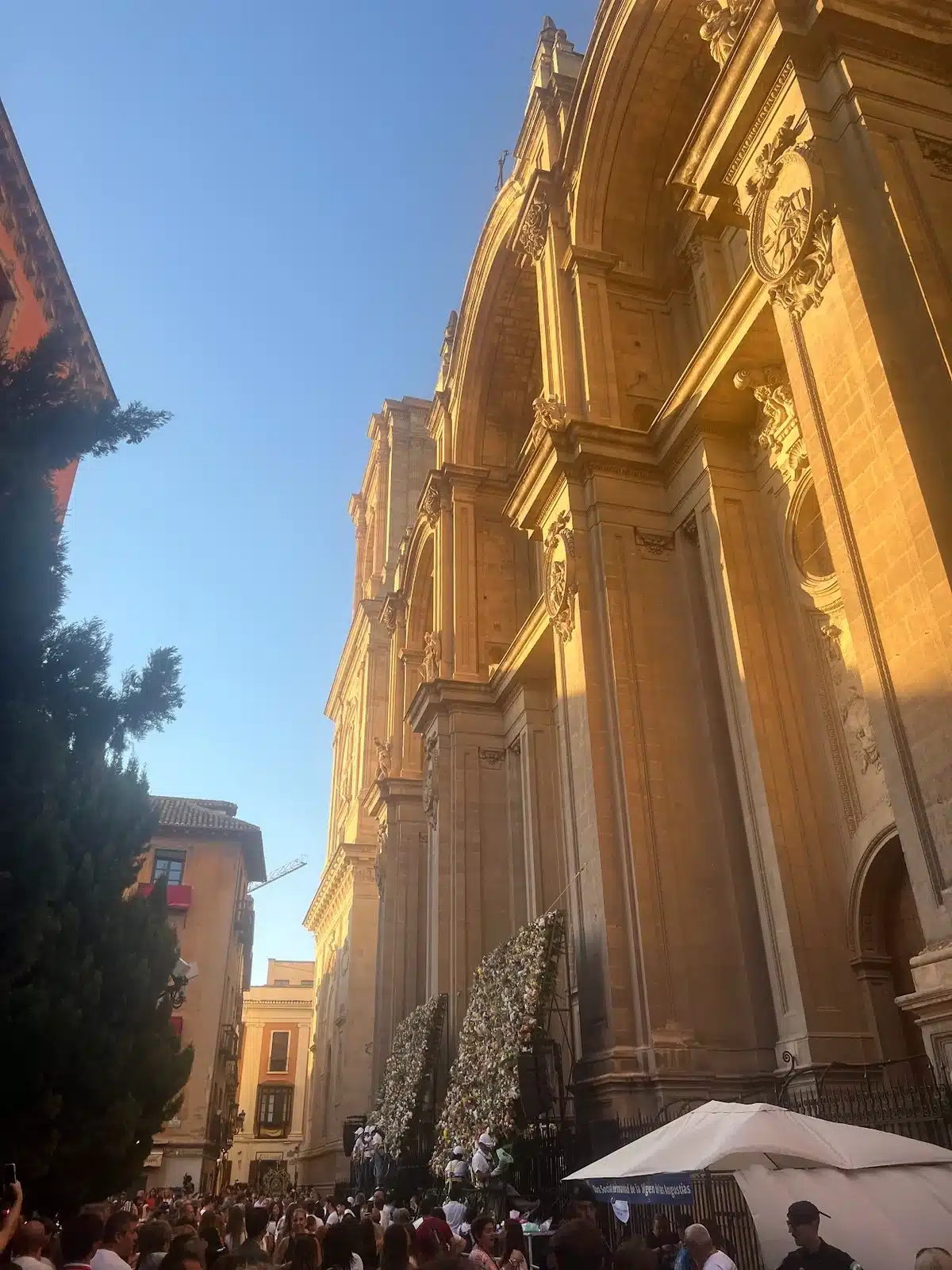
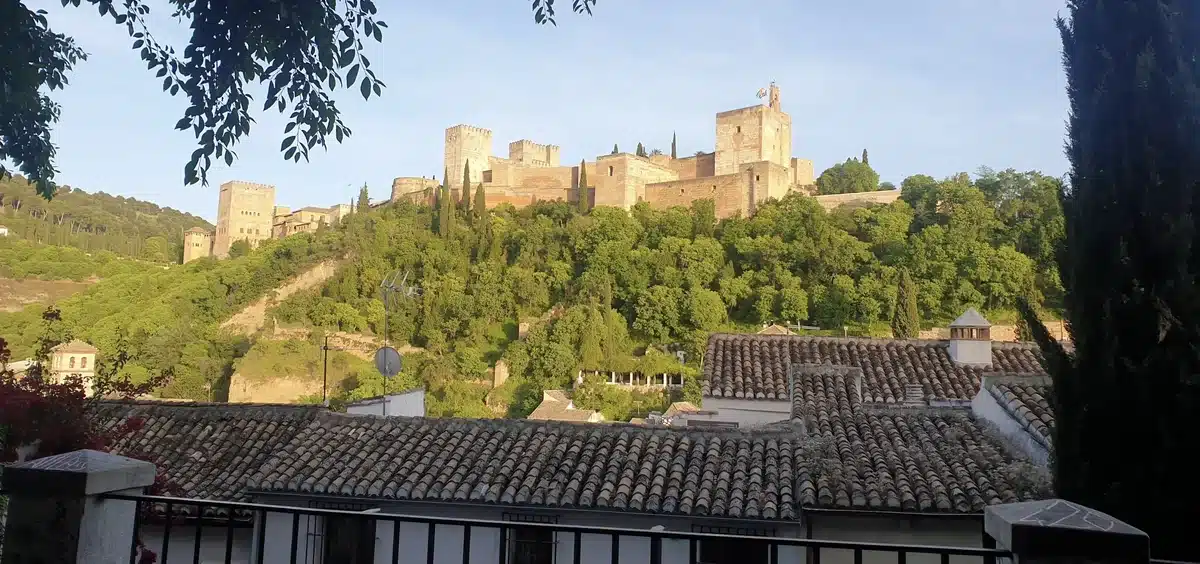
2. Tickets, Prices and Visiting Hours (2026)
| Ticket Option | Price (2026) | Includes |
|---|---|---|
| General Admission | 6.00 € | Cathedral entry + Multilingual Audio Guide |
| Students (up to 25) | 4.50 € | Student ID required |
| Children under 12 | 0.00 € (Free) | Accompanied by adult |
Visiting Hours: Monday to Saturday from 10:00 to 18:15 h; Sundays from 15:00 to 18:15 h (morning reserved for religious worship).
Right next door, visit the Royal Chapel of Granada where the Catholic Monarchs are buried.
Official Reference Sources & Institutional Verification
Information cross-referenced directly with competent public administrations and official governing bodies, ensuring maximum editorial accuracy and strict adherence to Google E-E-A-T guidelines.
Official ecclesiastical authority: worship, cultural visits, and preservation of Diego de Siloé Renaissance masterwork.
Governing body of the Gothic royal mausoleum: burial site of Isabella and Ferdinand, museum, and Flemish art collection.
Diocesan administration: monumental registry, liturgical schedules, and sacred art stewardship.
Official city portal: combined ticketing, pedestrian heritage walking routes, and verified visiting hours.


