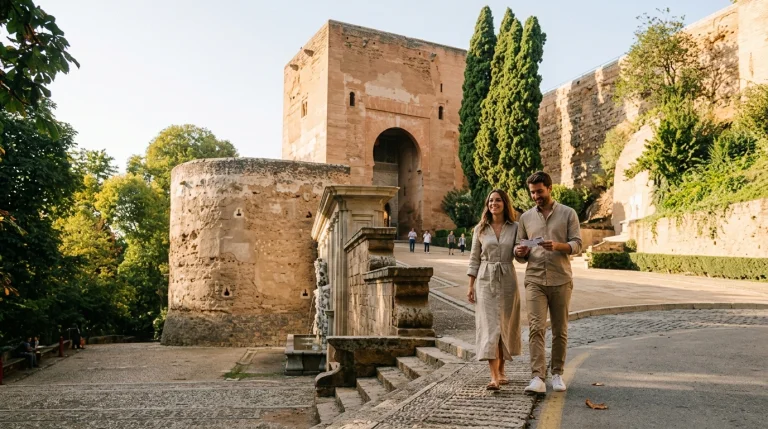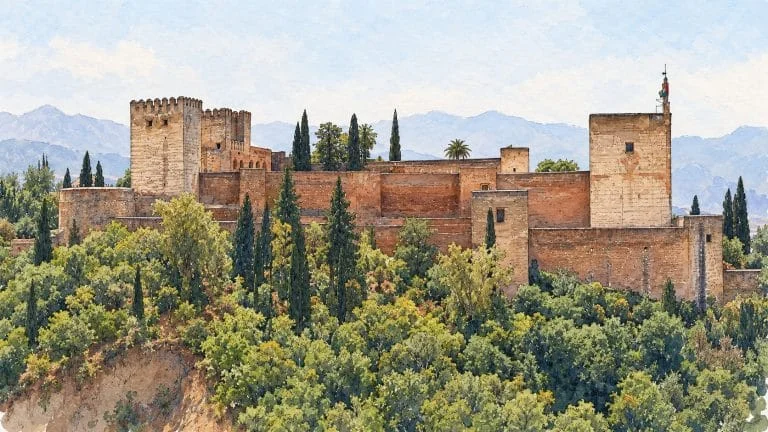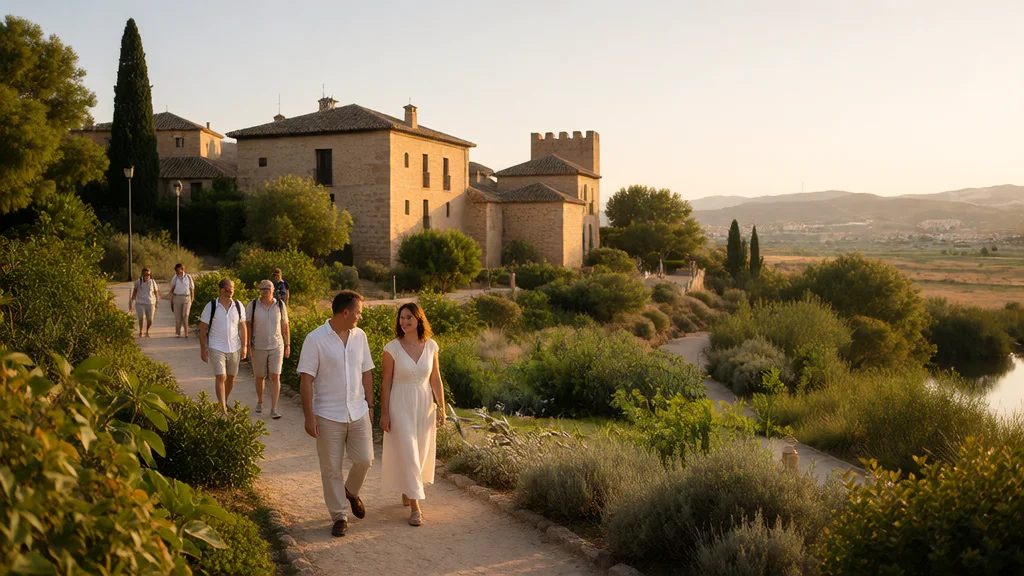
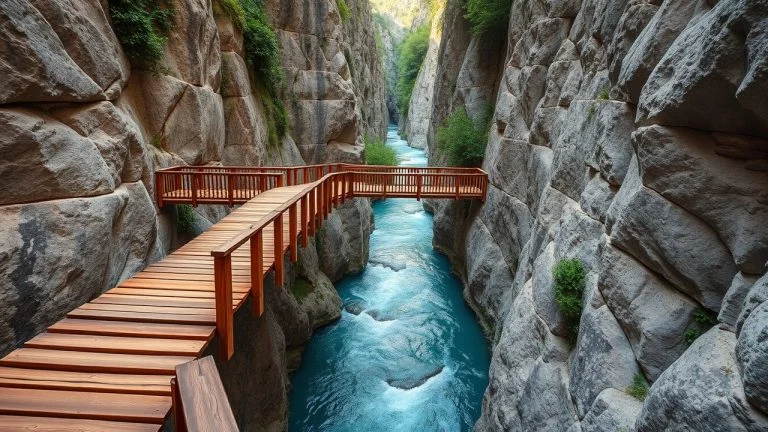
Padul is a historic municipality located in the Valle de Lecrín region of the province of Granada, sitting at an altitude of 744 m with an approximate population of 9.400 hab.. Its main heritage and natural attractions include: Laguna y Turberas de Padul, Ruta del Mamut por pasarelas de madera, Casa Grande (s. XVI) y Fuente de los Cinco Caños.
| Municipality Fact | Verified Data |
|---|---|
| Region (Comarca) | Valle de Lecrín (Granada) |
| Altitude & Population | 744 m · 9.400 hab. |
| Road Access | A-44 salida 144 (a 20 km de Granada) |
| Main Landmarks | Laguna y Turberas de Padul, Ruta del Mamut por pasarelas de madera, Casa Grande (s. XVI) y Fuente de los Cinco Caños |
1. Essential Points of Interest to See in Padul
Exploring the old town and natural surroundings of Padul reveals landmarks such as Laguna y Turberas de Padul, Ruta del Mamut por pasarelas de madera, Casa Grande (s. XVI) y Fuente de los Cinco Caños. Use the 2×2 interactive photo gallery above to view all four perspectives of the town in full screen.
2. How to Get to Padul, Altitude & Practical Tips
- Road Access: A-44 salida 144 (a 20 km de Granada).
- Altitude & Population: 744 m (9.400 hab.).
- Main Landmarks: Laguna y Turberas de Padul, Ruta del Mamut por pasarelas de madera, Casa Grande (s. XVI) y Fuente de los Cinco Caños.
3. Frequently Asked Questions about Padul
What are the top things to see in Padul?
The main points of interest in Padul include Laguna y Turberas de Padul, Ruta del Mamut por pasarelas de madera, Casa Grande (s. XVI) y Fuente de los Cinco Caños, ideal for a half-day or full-day cultural route through Valle de Lecrín.
How do you get to Padul by road?
Road access to Padul is via A-44 salida 144 (a 20 km de Granada), connecting directly with Granada city and neighboring towns in Valle de Lecrín.
Granada Trip Budget, Tickets & Itinerary Calculator (1–4 Days)
Calculate your estimated daily budget per person (monument tickets, local transport & tapas):
Official sources for further information
These links provide information and notices from organisations connected with the destination. References supporting specific claims appear beside the article text.
Competent municipal administration: official notices, local heritage, registered walking paths, and patron festivals.
Inter-municipal public authority: orange blossom hiking paths, historic watermills, and whitewashed villages.
Official regional public tourism board: hiking paths, cultural itineraries, and certified tourist office network.
Provincial government: municipal technical assistance, historic heritage conservation, and rural sustainability.